HXRF-QP880 Digital Optical Emission Spectroscopy Analyzer Automatic Optical Calibration Tungsten Electrode Metal Material Testing Machine
1. Instrument Overview
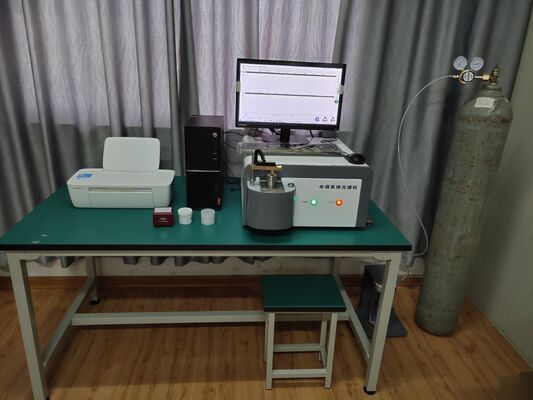
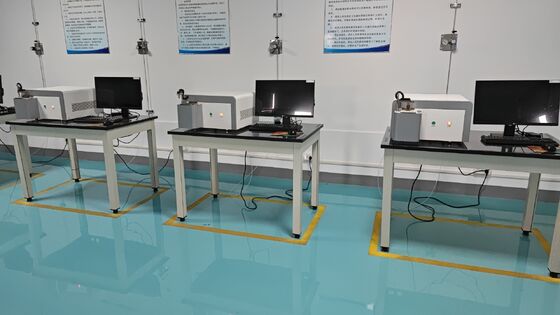
HXRF-QP880 Full Spectrum Optical Emission Spectrometer adopts the international standard of design and manufacturing technology. It uses the most advanced CMOS signal acquisition device from Japan Hamamatsu Co. Each CMOS can set the number of sparks separately. It adopts vacuum light chamber design and full digital excitation light source..This CMOS Spectrometer is not only contain the feature of full spectrum of CCD spectrometer but also have the advantages of PMT spectrometer which has very low detection limit for nonmetallic elements. The design of the whole machine is reasonable. It also has many advantages such as easy operation, high accuracy test result, long-term stability etc.
1) Main Technical Parameters
|
Application Field
|
Metallurgy, foundry, machinery, scientific research, commodity inspection, automobile, petrochemical, shipbuilding, electric power, aviation, nuclear power, metal and nonferrous metal smelting, processing and recovery industry.
|
|
Analysis Matrix
|
Fe, Al, Cu, Zn, Ni, Mg, Pb etc.
|
|
Optical System
|
Para-Runge-Roland Circular Full-Spectral vacuum optical system
|
|
Wavelength Range
|
160~580nm
|
|
Grating Focal Length
|
401mm
|
|
Detector
|
High performance CMOS array
|
|
Light Source Type
|
Digital light source. High energy precombustion technology.
|
|
Discharge Frequency
|
100-1000Hz
|
|
Discharge Current
|
Max 400A
|
|
Working Power
|
AC220V 50/60Hz 1200W
|
|
Analysis Time
|
According to the sample type, normally is about 20s.
|
|
Electrode Type
|
Tungsten Spray Electrode
|
|
Analytical Gap
|
4mm
|
|
Other Functions
|
Temperature, software automatic control pressure, communication monitoring.
|
2) Main Technical Features
|
High Performance Optical System
|
The arc flame generated by the excitation of optical system is directly introduced into the vacuum optical chamber by the lens which realizes the optical path through and effectively reduces the loss of the optical path.
|
|
High precision CMOS detector can accurately measure the nonmetallic elements such as C, P, S, As, B, N and all kinds of metal elements.
|
|
The test results are accurate, reproducible and long-term stable.
|
|
Automatic Optical Path Calibration
|
Automatic optical path calibration. Optical system automatic spectral line scanning to ensure the correctness of the receiving and eliminating the tedious peak scanning work.
|
|
The instrument automatically identifies a particular spectral line and compares it with the original storage line, determines the drift position, and finds out the current pixel position of the analytical line for measurement.
|
|
Design of Plugged Lens
|
The vacuum optical system adopts unique incident window and vacuum isolation which can be operated in the working state of the vacuum system. The optical lens adopts a plugged lens structure which is convenient for daily cleaning and maintenance.
|
|
Open Spark Table
|
The flexible sample clamp design of the open spark table is designed to meet the sample analysis for various shapes and sizes at the customer site.
|
|
The minimum analysis of the wire can reach 3mm using a small sample clamp.
|
|
Jet Electrode Technology
|
Using the most advanced spray electrode technology in the world and using tungsten electrode. Argon jet flow will be formed around the electrode under the excited state. So the excitation point will not be in contact with the outside air during the excitation process and the excitation accuracy will be improved.
|
|
By a unique argon gas design, greatly reduce the amount of argon gas consumption and save the customer’s cost.
|
|
Integrated Gas Path Module
|
The air path system adopts the free maintenance design of the gas path module instead of the solenoid valve and the flow meter. The self-blowing function of the electrode creates a good environment for the excitation.
|
|
Digital Excitation Light Source
|
Digital excitation light source adopts the most advanced plasma excitation light source in the world. The super stable energy is released in argon environment to stimulate the sample.
|
|
The full digital excitation pulse is used to ensure the ultra-high resolution and high stability output of the sample plasma.
|
|
The parameters of the light source can be adjusted arbitrarily to meet the excitation requirements of various materials.
|
|
High-speed Data Acquisition
|
The instrument adopts high performance CMOS detector and each CMOS has the function of collecting and analyzing the data. It can automatically monitor and control the operating state of the modules such as temperature, vacuum, argon pressure, light source, excitation chamber etc.
|
|
Ethernet Data Transmission
|
The Ethernet card and TCP/IP protocol are used between the computer and the spectrometer to avoid the disadvantages of electromagnetic interference and optical fiber aging. At the same time, the computer and printer are completely external which is convenient to upgrade and replace.
|
|
Remotely monitor the instrument status, multi-channel control system and monitor all instrument parameters.
|
|
Prefabricated Working Curve
|
With different materials and grades of the standard library, the factory prefabricated work curve before delivery which is convenient for installation and commissioning in order to timely production.
|
|
The analysis program will be different according to the metals and elements. The excitation and test parameter of the instrument has been adjusted well before delivery. According to the analysis program, the optimal test condition can be automatically selected.
|
|
The scope of analysis is attached to the specification and can be freely drawn or extended according to the standard sample supplied by the user.
|
|
Fast Analysis Speed
|
The analysis speed is very fast. It only takes 20s for one test.
|
|
According to different analysis materials, by setting pre-burning time and measuring time, the instrument can achieve the best analysis effect with the shortest time.
|
|
Multi-matrix Analysis
|
The optical path design adopts a compass structure. The detectors are arranged alternately up and down so that all the spectral lines are received. Even though the hardware facilities are not added, the multi - matrix analysis can be realized.
|
|
It’s easy to add matrix, material types and analytical elements without hardware cost according to production requirements.
|
|
Chinese-English Language Software System
|
The instrument operation software is completely compatible with Windows7/8/10 system.
|
|
The software is easy to operate even if no spectrometer knowledge and operational experience. Only after simple knowledge of training can be used.
|
2. Technical Configuration
1) Specifications and Technical Parameters
|
Item
|
Index
|
|
Analysis Matrix
|
Fe, Al, Cu, Zn, Ni, Pb, Mg etc.
|
|
Analysis Time
|
According to the sample type, normally is 20s.
|
|
Optical System
|
Para-Runge
|
|
Wavelength Range
|
160~580nm
|
|
Working Power
|
(220±20)V AC,(50±1)Hz,Single-phase power supply with protective grounding.
|
|
Working Temperature
|
(10~30)℃
|
|
Storage Temperature
|
(0~45)℃
|
|
Working Humidity
|
20%~80%
|
|
Argon Gas Purity Requirement
|
99.999%
|
|
Argon Gas Inlet Pressure
|
0.5MPa
|
|
Argon Gas Flow Meter
|
Excitation flow rate 3.5L/min,Maintain flow rate 0.4L/min,Standby flow rate 0.1L/min.
|
|
Maximum Excitation Power
|
400VA
|
|
Standby Average Power
|
100VA
|
|
Light Source Type
|
Pulse synthesis all digital light source (programmable pulse all digital light source)
|
|
Discharge Frequency
|
Max 1000 Hz
|
|
Discharge Current
|
Max 400A
|
|
Ignition Pulse
|
1~14kV
|
|
Spark Excitation Pulse
|
20~230V
|
|
Arc Excitation pulse
|
20~60V
|
|
Spark Table Hole Diameter
|
13mm
|
2) Optical System
l Full spectrum optical system with lpa-Runge structure
l Wavelength Range: 160~580nm
l Multiple high performance CMOS detectors
l Resistance to environmental temperature change
l Integrated optical chamber design, CMOS detector ensures short wave to achieve the best performance.
l Constant temperature control of optical room. Temperature is 36 ℃.
3) Sample Spark Table
l The special design of the excitation chamber makes the cleaning of the sample excitation chamber more convenient.
l The optimized argon gas path is designed to ensure the effective cooling of the firing station and the effective entry of metal dust into the filter during the excitation process which makes the sample excitation more stable and greatly reduces the intake of metal dust by the human body. It’s for protect the health and safety of operators.
l Smaller excitation space which makes less argon consumption.
l Sample fixture which is easy to use.
l The electrode has the function of self-blowing which makes the life of electrode longer and much easier to clean the electrode.
l The size of 13mm excited pore is more favorable for sample analysis.
l The open sample generator can be used for the analysis of samples of various sizes and shapes.
l The design of lens structure makes the lens disassembling and wiping more convenient and argon washing design can prolong the lens cleaning cycle.
4) Digital Light Source
l Pulse synthesis full digital light source (programmable pulse full digital light source). The highest frequency up to 1000 Hz.
l High energy pre-combustion technology
l Optimal design of control and power circuit and perfect excitation safety protection function.
l Provide optimal spark, arc or combination excitation waveform for different analysis samples.
l Frequency:(100~1000)Hz
l Discharge Current:max 400 A
5) Data Acquisition System
l High performance DSP processor with ultra-high speed data acquisition and control function.
l Single spark acquisition and spectral delay acquisition to achieve more optimized element content measurement.
l External computer (user optional)
l High speed Ethernet data transmission
6) Analysis Software
l Graphical Analysis Software based on Windows operating system, convenient and practical.
l Complete automatic system diagnosis function.
l Perfect database management function, easy to query and summarize data.
l Intelligent correction algorithm to ensure the stability and reliability of the instrument.
l Complete spectral line information and interference deduction algorithm to ensure analysis more accurate.
l Adapting to the latest Windows operating system.
7) Main Core Components list and Origin
|
No.
|
Name
|
Brand
|
Origin
|
|
1
|
CMOS Array
|
HAMAMATSU
|
Japan
|
|
2
|
Grating
|
Zeiss
|
Germany
|
|
3
|
Optical Glasses
|
Zeiss
|
Germany
|
|
4
|
Optical Fiber
|
Agilent
|
China
|
|
5
|
Slit
|
lenoxlaser
|
China
|
|
6
|
Filter
|
TDK
|
Japan
|
|
7
|
Pressure Sensor
|
SSI
|
China
|
|
8
|
Valve Block
|
Airtac
|
Taiwan
|
|
9
|
Digital Light Source Modular
|
nuojin
|
nuojin
|
|
10
|
Master Control and Data Acquisition
|
nuojin
|
nuojin
|
|
11
|
Vacuum Optical System
|
nuojin
|
nuojin
|
|
12
|
Firing Station Module
|
nuojin
|
nuojin
|
|
13
|
System Software
|
nuojin
|
nuojin
|
|
14
|
Computer
|
Len ovo
|
China
|
|
15
|
Printer
|
HP
|
China
|
|
16
|
Standard Samples
|
National Standard
|
China or Foreign brand
|
3. Analysis Elements and Range
|
Program
|
Fe-Low alloy
|
Fe-Cr-Ni steel
|
Fe-Cr steel
|
|
Elements
|
Min
|
Max
|
Min
|
Max
|
Min
|
Max
|
|
C
|
0.0006
|
1.3
|
0.008
|
2.5
|
0.04
|
2.2
|
|
Si
|
0.01
|
3.9
|
0.09
|
4
|
0.1
|
1.4
|
|
Mn
|
0.03
|
2.1
|
0.12
|
16
|
0.1
|
1.5
|
|
P
|
0.002
|
0.12
|
0.003
|
0.3
|
0.006
|
0.05
|
|
S
|
0.002
|
0.16
|
0.001
|
0.4
|
0.001
|
0.3
|
|
Cr
|
0.01
|
4.5
|
7.4
|
32
|
7.8
|
24
|
|
Ni
|
0.004
|
4.4
|
0.8
|
48
|
0.09
|
4.2
|
|
Mo
|
0.0004
|
1.3
|
0.08
|
4.2
|
0.02
|
1
|
|
Al
|
0.003
|
1.5
|
0.005
|
1.7
|
0.1
|
1.7
|
|
Cu
|
0.0002
|
0.5
|
0.05
|
4.5
|
0.02
|
0.5
|
|
Co
|
0.001
|
0.5
|
0.008
|
17
|
0.01
|
0.5
|
|
Ti
|
0.002
|
1.2
|
0.005
|
1.1
|
0.006
|
0.4
|
|
Nb
|
0.002
|
0.3
|
0.02
|
2
|
|
|
|
V
|
0.0003
|
0.9
|
0.02
|
9.5
|
0.03
|
1.1
|
|
W
|
0.03
|
2.1
|
0.002
|
4.1
|
0.05
|
0.7
|
|
Pb
|
0.0003
|
0.03
|
0.0001
|
0.02
|
|
|
|
B
|
0.0006
|
0.02
|
0.0007
|
0.02
|
|
|
|
Sn
|
0.001
|
0.09
|
0.0003
|
0.05
|
|
|
|
Zn
|
0.002
|
0.04
|
0.006
|
0.008
|
|
|
|
As
|
0.0007
|
0.1
|
0.0004
|
0.04
|
|
|
|
Bi
|
0.0001
|
0.01
|
0.00004
|
0.003
|
|
|
|
Zr
|
0.004
|
0.35
|
|
|
|
|
|
Ca
|
0.0004
|
0.002
|
0.0003
|
0.001
|
|
|
|
Sb
|
0.0002
|
0.02
|
0.0005
|
0.022
|
|
|
|
N
|
0.002
|
0.09
|
0.004
|
0.9
|
|
|
|
Fe
|
Matrix
|
Matrix
|
Matrix
|
|
Program
|
Fe-Cast iron
|
Fe-Cr-hard cast
|
Fe-Mn steel
|
Fe-Tool steel
|
|
Elements
|
Min
|
Max
|
Min
|
Max
|
Min
|
Max
|
Min
|
Max
|
|
C
|
1.8
|
4.5
|
0.9
|
3.4
|
0.5
|
2.4
|
0.08
|
2.2
|
|
Si
|
0.2
|
4.7
|
0.2
|
2.5
|
0.3
|
1.7
|
0.04
|
1.5
|
|
Mn
|
0.06
|
4.7
|
0.1
|
2.4
|
5.3
|
23
|
0.04
|
1.7
|
|
P
|
0.02
|
0.8
|
0.01
|
0.3
|
0.01
|
0.2
|
0.004
|
0.07
|
|
S
|
0.003
|
0.2
|
0.01
|
0.15
|
0.006
|
0.11
|
0.001
|
0.06
|
|
Cr
|
0.03
|
10.5
|
0.4
|
34
|
0.08
|
3.8
|
1.8
|
14
|
|
Ni
|
0.05
|
6.8
|
0.05
|
32
|
0.04
|
3.5
|
0.07
|
0.55
|
|
Mo
|
0.01
|
2.1
|
0.1
|
4
|
0.1
|
2
|
0.02
|
9.4
|
|
Al
|
0.002
|
0.12
|
|
|
0.008
|
0.12
|
0.005
|
1.6
|
|
Cu
|
0.06
|
2.2
|
0.06
|
1.5
|
0.02
|
0.6
|
0.04
|
0.5
|
|
Co
|
0.008
|
0.03
|
|
|
0.007
|
0.1
|
0.008
|
8
|
|
Ti
|
0.007
|
1
|
0.01
|
0.14
|
0.004
|
0.4
|
|
|
|
Nb
|
0.002
|
0.7
|
0.1
|
0.7
|
0.08
|
0.42
|
|
|
|
V
|
0.01
|
0.7
|
0.02
|
1.2
|
0.01
|
0.84
|
0.03
|
2.5
|
|
W
|
0.007
|
1
|
|
|
|
|
0.06
|
19
|
|
Pb
|
0.0002
|
0.04
|
|
|
|
|
0.0001
|
0.07
|
|
Mg
|
0.001
|
0.14
|
|
|
|
|
|
|
|
B
|
0.002
|
0.5
|
|
|
0.0009
|
0.02
|
|
|
|
Sn
|
0.003
|
0.3
|
|
|
0.008
|
0.07
|
0.007
|
0.05
|
|
La
|
0.002
|
0.12
|
|
|
|
|
|
|
|
Ce
|
0.004
|
0.09
|
|
|
|
|
|
|
|
N
|
|
|
|
|
0.01
|
0.09
|
0.008
|
0.05
|
|
Te
|
0.014
|
0.016
|
|
|
|
|
|
|
|
Fe
|
Matrix
|
Matrix
|
Matrix
|
Matrix
|
|
Program
|
Al-Si alloy
|
Al-Zn alloy
|
Al-Cu alloy
|
Al-Mg alloy
|
Pure-Al alloy
|
|
Elements
|
Min
|
Max
|
Min
|
Max
|
Min
|
Max
|
Min
|
Max
|
Min
|
Max
|
|
Si
|
0.02
|
24
|
0.02
|
9.4
|
0.02
|
7
|
0.02
|
2.3
|
0.01
|
1.2
|
|
Fe
|
0.02
|
4
|
0.03
|
1
|
0.05
|
1.9
|
0.07
|
0.8
|
0.01
|
4
|
|
Cu
|
0.005
|
6
|
0.01
|
4.3
|
0.01
|
13
|
0.007
|
1
|
0.002
|
1
|
|
Mn
|
0.005
|
1
|
0.02
|
1
|
0.05
|
1
|
0.03
|
2.4
|
0.001
|
1
|
|
Mg
|
0.01
|
1.5
|
0.01
|
4
|
0.01
|
2.7
|
0.006
|
10.2
|
0.002
|
1
|
|
Cr
|
0.005
|
0.5
|
0.01
|
0.4
|
0.01
|
0.14
|
0.01
|
0.4
|
0.001
|
0.15
|
|
Ni
|
0.02
|
2.5
|
0.01
|
0.2
|
0.01
|
2.3
|
0.005
|
0.25
|
0.001
|
0.16
|
|
Zn
|
0.005
|
3.5
|
0.01
|
12
|
0.05
|
3.5
|
0.01
|
1
|
0.002
|
0.5
|
|
Ti
|
0.005
|
0.4
|
0.005
|
0.3
|
0.001
|
0.2
|
0.007
|
0.3
|
0.001
|
0.15
|
|
Be
|
0.001
|
0.2
|
|
|
|
|
0.001
|
0.009
|
|
|
|
Bi
|
0.02
|
0.6
|
0.002
|
0.6
|
0.02
|
0.6
|
0.02
|
0.6
|
0.02
|
0.6
|
|
Ca
|
0.002
|
0.03
|
|
|
|
|
|
|
|
|
|
Cd
|
0.001
|
0.3
|
0.002
|
0.3
|
0.01
|
0.3
|
0.01
|
0.3
|
0.001
|
0.3
|
|
Ce
|
|
|
|
|
|
|
0.05
|
0.3
|
0.05
|
0.3
|
|
Co
|
0.003
|
0.4
|
0.01
|
0.05
|
0.03
|
0.4
|
0.03
|
0.4
|
0.009
|
0.4
|
|
Ga
|
0.005
|
0.2
|
|
|
|
|
0.009
|
0.02
|
0.002
|
0.06
|
|
La
|
|
|
|
|
|
|
0.02
|
0.12
|
0.02
|
0.12
|
|
Pb
|
0.005
|
0.5
|
0.005
|
0.5
|
0.01
|
0.5
|
0.001
|
0.5
|
0.002
|
0.5
|
|
Sb
|
0.005
|
0.4
|
|
|
0.1
|
0.4
|
|
|
|
|
|
Sn
|
0.003
|
0.5
|
0.005
|
0.2
|
0.02
|
0.3
|
0.0007
|
0.2
|
0.01
|
0.2
|
|
Sr
|
0.005
|
0.1
|
|
|
|
|
|
|
|
|
|
V
|
0.005
|
0.2
|
0.005
|
0.03
|
0.01
|
0.03
|
0.002
|
0.03
|
0.004
|
0.05
|
|
Zr
|
0.005
|
0.2
|
0.01
|
0.3
|
0.001
|
0.2
|
0.003
|
0.12
|
0.001
|
0.12
|
|
Pr
|
|
|
|
|
|
|
0.005
|
0.03
|
0.005
|
0.03
|
|
Nd
|
|
|
|
|
|
|
0.02
|
0.12
|
0.02
|
0.12
|
|
Sm
|
|
|
|
|
|
|
0.001
|
0.006
|
0.001
|
0.006
|
|
P
|
0.002
|
0.005
|
|
|
|
|
|
|
|
|
|
Al
|
Matrix
|
Matrix
|
Matrix
|
Matrix
|
Matrix
|
|
Program
|
Brass
|
Copper-nickel-Zn
|
Aluminum Bronze
|
Tin-lead Bronze
|
|
Elements
|
Min
|
Max
|
Min
|
Max
|
Min
|
Max
|
Min
|
Max
|
|
Zn
|
0.5
|
45
|
0.01
|
0.8
|
0.04
|
7
|
0.003
|
11.3
|
|
Zn
|
|
|
18
|
33.5
|
|
|
|
|
|
Pb
|
0.01
|
6
|
0.002
|
1.3
|
0.002
|
0.12
|
0.001
|
21
|
|
Sn
|
0.009
|
9.5
|
0.009
|
5.8
|
0.003
|
2.5
|
0.005
|
19
|
|
P
|
0.002
|
0.2
|
0.003
|
0.07
|
0.002
|
0.2
|
0.001
|
1
|
|
Mn
|
0.001
|
5.3
|
0.0009
|
1.8
|
0.001
|
2.4
|
0.001
|
0.4
|
|
Fe
|
0.02
|
3
|
0.03
|
2.7
|
0.005
|
6
|
0.003
|
1
|
|
Ni
|
0.009
|
1.8
|
5.5
|
34
|
0.002
|
6
|
0.001
|
5
|
|
Si
|
0.001
|
4.6
|
0.0009
|
0.8
|
0.004
|
0.3
|
0.002
|
1.4
|
|
Mg
|
0.001
|
0.01
|
0.003
|
0.7
|
|
|
|
|
|
Cr
|
0.001
|
0.2
|
0.0003
|
1.8
|
|
|
|
|
|
Te
|
|
|
|
|
|
|
|
|
|
As
|
0.001
|
0.2
|
0.003
|
0.05
|
0.001
|
0.03
|
0.004
|
0.2
|
|
Sb
|
0.001
|
0.4
|
|
|
0.001
|
0.1
|
0.001
|
0.6
|
|
Cd
|
0.001
|
0.02
|
|
|
0.001
|
0.01
|
|
|
|
Bi
|
0.002
|
5.5
|
0.001
|
0.1
|
0.002
|
0.12
|
0.006
|
1
|
|
Ag
|
0.007
|
0.1
|
0.002
|
0.1
|
|
|
0.001
|
0.06
|
|
Be
|
|
|
|
|
|
|
|
|
|
Co
|
0.004
|
0.5
|
0.007
|
0.3
|
|
|
0.001
|
0.2
|
|
Al
|
0.001
|
6.7
|
0.0009
|
2
|
3.0
|
12
|
0.01
|
0.6
|
|
S
|
0.001
|
0.15
|
0.0004
|
0.08
|
|
|
0.001
|
0.5
|
|
B
|
0.002
|
0.005
|
0.003
|
0.009
|
|
|
|
|
|
Ti
|
|
|
0.003
|
0.15
|
|
|
|
|
|
Se
|
0.003
|
1.4
|
|
|
|
|
0.005
|
0.5
|
|
Cu
|
Matrix
|
Matrix
|
Matrix
|
Matrix
|
|
Program
|
Red Copper
|
Be-Bronze
|
Si-Bronze
|
|
Elements
|
Min
|
Max
|
Min
|
Max
|
Min
|
Max
|
|
Zn
|
0.001
|
0.3
|
0.005
|
0.23
|
0.2
|
6
|
|
Zn
|
|
|
|
|
|
|
|
Pb
|
0.001
|
1.5
|
0.005
|
0.3
|
0.01
|
0.8
|
|
Sn
|
0.001
|
0.3
|
0.005
|
0.18
|
0.05
|
0.7
|
|
P
|
0.001
|
0.02
|
|
|
0.005
|
0.08
|
|
Mn
|
0.0001
|
0.1
|
0.005
|
0.08
|
0.2
|
1.8
|
|
Fe
|
0.001
|
0.2
|
0.02
|
0.28
|
0.1
|
1.7
|
|
Ni
|
0.001
|
0.5
|
0.005
|
0.35
|
0.05
|
1
|
|
Si
|
|
|
0.02
|
0.3
|
1.5
|
5
|
|
Mg
|
0.001
|
0.01
|
|
|
0.002
|
0.01
|
|
Cr
|
0.001
|
0.03
|
0.002
|
0.006
|
|
|
|
Te
|
0.005
|
0.05
|
|
|
|
|
|
As
|
0.005
|
0.3
|
|
|
0.005
|
0.08
|
|
Sb
|
0.005
|
0.35
|
|
|
0.005
|
0.07
|
|
Cd
|
0.001
|
0.03
|
|
|
|
|
|
Bi
|
0.001
|
0.07
|
|
|
0.002
|
0.02
|
|
Ag
|
0.006
|
0.05
|
|
|
|
|
|
Be
|
|
|
0.32
|
3.2
|
|
|
|
Co
|
0.001
|
0.05
|
0.15
|
2
|
|
|
|
Al
|
0.002
|
0.02
|
0.02
|
0.2
|
0.02
|
0.35
|
|
S
|
0.001
|
0.05
|
|
|
0.005
|
0.02
|
|
B
|
0.001
|
0.03
|
|
|
|
|
|
Se
|
0.001
|
0.06
|
|
|
|
|
|
Cu
|
Matrix
|
Matrix
|
Matrix
|
Note:
l This program sheet is filled out according to the actual contract requirement of the customer.
l If customers have standard sample requirements, provide sample numbers and purchase by themselves. If sales personnel buy it, the standard samples will be shipped separately from Wuxi.
l If the customer uses is special application and is willing to provide sample for developing the curve, the customer must provide the accurate sample element content and ensure the uniformity of sample, but this curve cannot act as the acceptance index of instrument.
4. Laboratory environment
1)Environment requirement
The instrument must be placed in a special laboratory with an indoor area greater than 10 square meters, and ensure the lab is no harmful, flammable and corrosive gas around.
Caution: it is forbidden to place this instrument in chemical analysis laboratory.
Working temperature: 10℃~30℃, and room temperature fluctuation within 3 hours is less than 2 degrees. the laboratory is required to install air conditioning.
Storage temperature: 0℃~45℃
Relative humidity of environment: 20% ~ 80%. For wet areas, a dehumidifier is required.
If not meet the above requirements, the service life and measurement accuracy of the instrument may be will be affected.
2)Power requirement
Power supply: single phase 220 + 20V, 1KVA.
Ensure the normal use of the Innovate NJ-QP880 spectrometer, please install a voltage regulator with 1kVA to 3kVA single phase 220V AC.
Ensure the reliable use of the instrument, please prepare a single ground wire for the instrument, and the grounding resistance is less than 4 ohms.
3)Argon requirement
Purity≥99.999%, oxygen content≤2ppm, H2Ocontent≤5ppm,( The argon gas cylinder cannot be stored in the open air, and the rain is strictly prohibited.)
If no have high purity argon, it is recommended to use argon purifier.
Argon gas flow: standby flow approx 0.1L/min, Maintain flow approx(0.4-0.5)L/min, Excitation flow approx 3.5L/min.
argon gas controlled pressure: 0.5Mpa.
4)Argon connection tube
It is necessary to use the special stainless steel argon connection tube.
5) Exhaust bottle
The instrument exhaust gas is discharged through a PVC enhancement tube (14mm inner diameter) into a filter bottle. Need to clean up and replace in time.
6) Sample preparation
For iron base samples, the samples must be prepared by special grinding mechanism, a double disc grinding machine and a ground grinder required, which for grinding on the surface of iron and steel samples. The white cast iron sample must be uniformity.
The user needs to prepare a cutting machine for the treatment of samples which are not suitable for spectroscopic analysis.
The samples must be uniform, no pores and no casting defects, the surface must be smooth, no oxide, no oil stain and no burrs.
7) Standard sample requirement
One standard sample is given at random to correct the overall spectral curve of the instrument, In addition, users need to prepare extra suitable standard samples for their own product types for calibration of instrumental analysis curves.
8) Computer and printer requirement
Prepare a computer with conventional configuration, memory 1GB or above, CPU dual core 1.8G Hz or more, to install Innovate T5 spectrometer analysis software.
Prepare a printer to printing the analysis reports.



 Your message must be between 20-3,000 characters!
 English